
Bodie’s Story: Navigating a Double Diagnosis
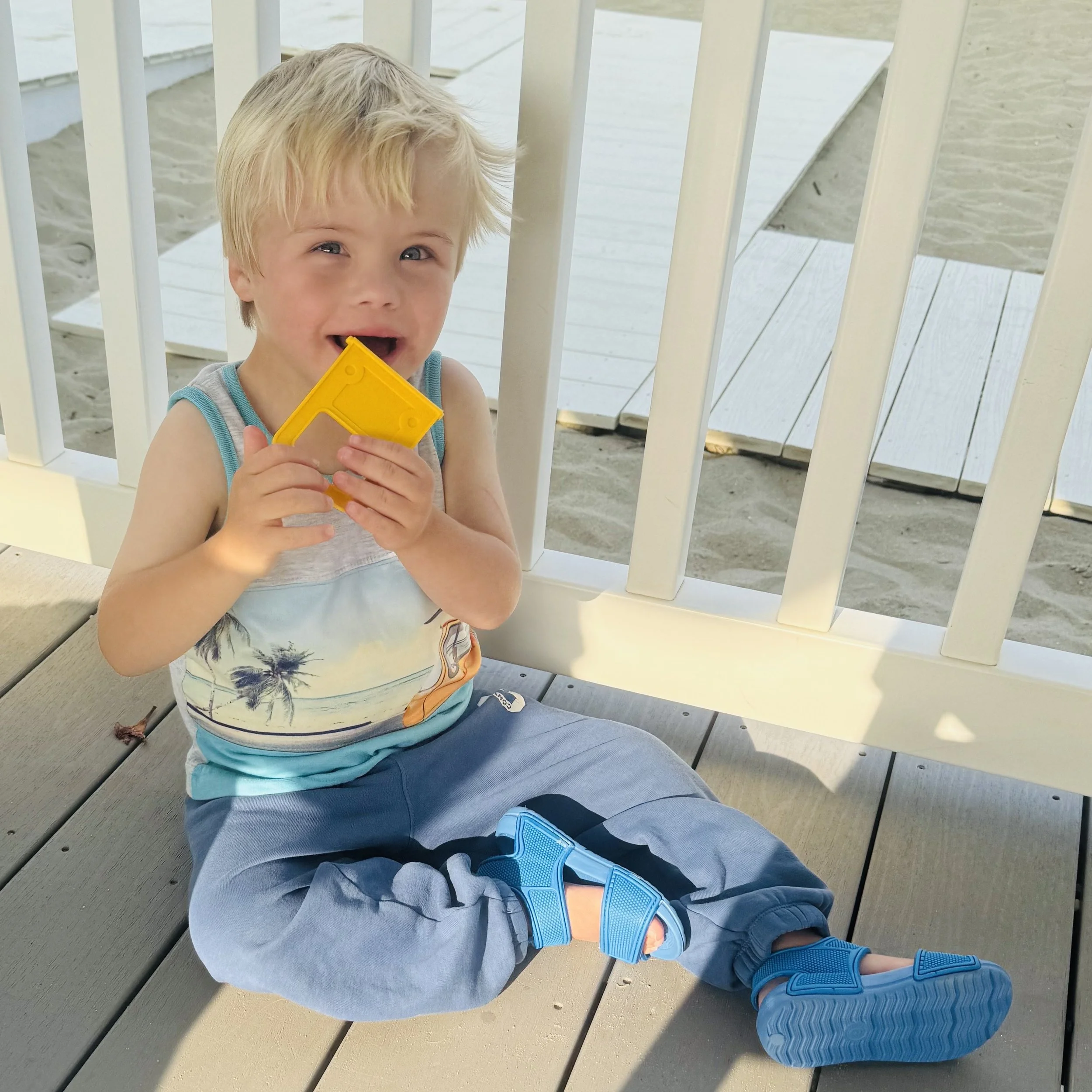
A Fragile Beginning
Ali already felt she was carrying a special baby, and she was right.
She was standing on a beach when her phone rang. She was 12 weeks pregnant, 47 years old, and considered high-risk, which meant more tests and being monitored more closely. When she saw the number pop up on her screen, she felt it in her gut before she even answered.
The tests confirmed it, her son, Bodie, would be born with Down syndrome. Specifically, Trisomy 21, the most common form caused by an extra copy of chromosome 21.
The news did not break Ali, but it did stop her breath for a moment. So many thoughts rushed in like, “What would his life look like? What challenges would he face? Would he be okay?”
Her doctor reassured her that children with down syndrome can and do live full lives, go to college, work, fall in love, and chase dreams. Bodie would have a bright future ahead of him.
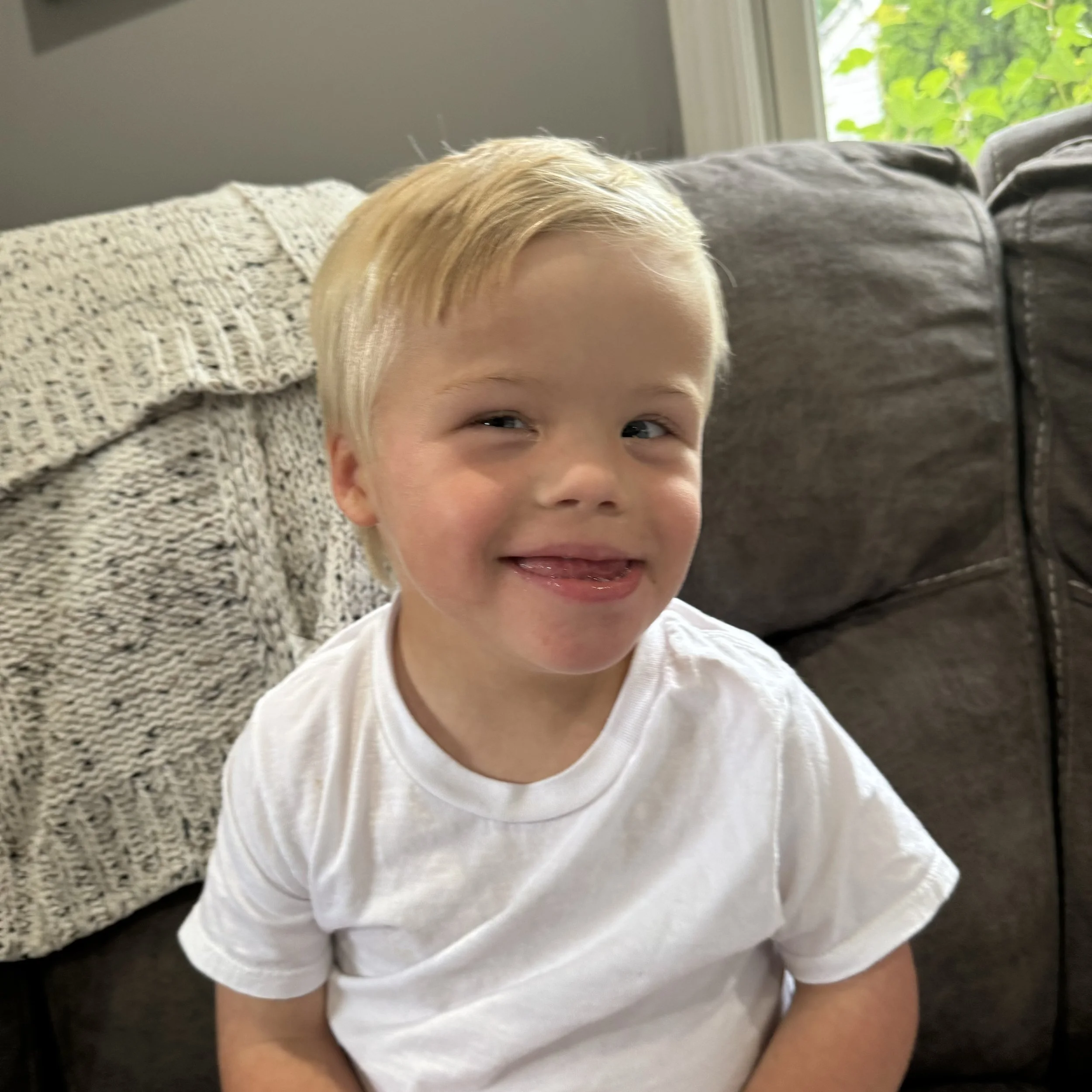
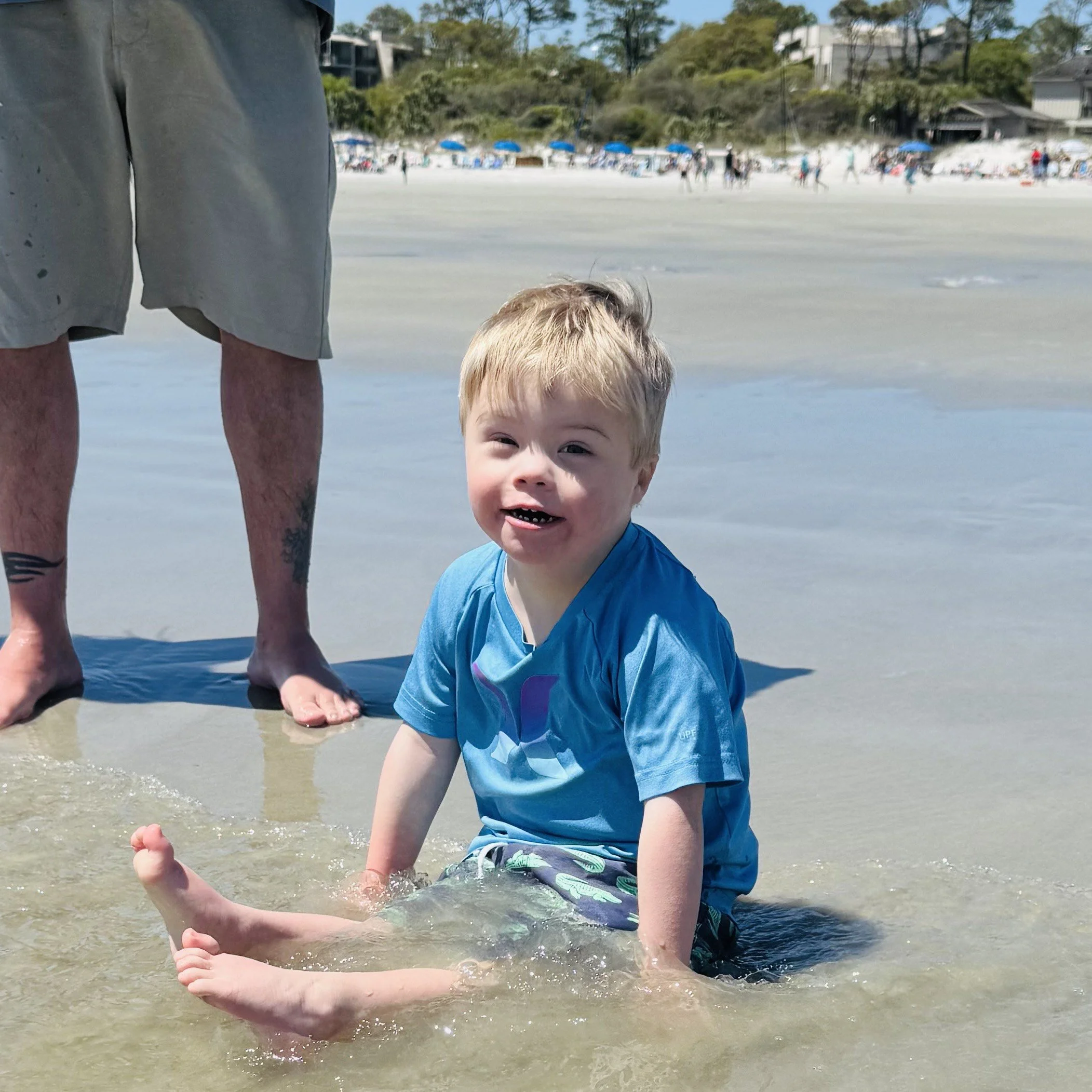
Bodie was born on November 29, 2020 and from the start his journey required extra care. Due to low muscle tone, he struggled with breathing and spent his first week in the hospital. Tests also suggested he could be at risk for seizures or epilepsy, leading to a transfer to another hospital, where he stayed for two more weeks.
Eventually, follow-up tests brought relief. Bodie was stable and ready to go home.
Upon his arrival home, life was anything but simple for the family. It was 2020, COVID-19 was spreading rapidly and Bodie was medically fragile. Ali and her husband were suddenly navigating a world they had never expected, learning how to care for a child with complex needs, while protecting him from a virus no one fully understood.
None of their other children had medical complications so this was completely new territory for the parents. They did what committed parents do and learned everything they could. From doctors, nurses, and specialists to community members, every resource became part of their mission to give Bodie the best life possible.
Their goal was clear, even if the path was not. They planned to treat Bodie like their other children, while giving him the specialized support he needs.
Trusting Their Instincts
During Bodie’s early years, Ali focused less on milestones and more on meeting him exactly where he was. He was working hard but was about two years behind in sitting and crawling, largely due to low muscle tone. Progress came slowly, but it came.
Around age two, Bodie’s parents noticed he was beginning to regress. He stopped making sounds, eating, and drinking. Ali also began to notice movements and behaviors that did not align with Down syndrome alone. She trusted her instincts and pushed for answers.
At age two, Bodie was diagnosed with autism spectrum disorder. This diagnosis brought Ali relief because with answers comes access. This new diagnosis would open doors to new therapies, strategies, and hope.
“It was an interesting dual diagnosis,” Ali shared. “But in my mind, I knew everything would be okay.”
From ages two to three, Bodie attended physical and occupational therapies close to home but it was not enough. The programs were not intensive, coordinated, or specialized enough for a child like him.
Feeding therapy, in particular, missed the mark. It was designed for picky eaters, not a child like Bodie who was not eating at all. Ali knew time mattered, she had to get help and quickly. That’s when she was directed to Children’s Specialized Hospital (CSH).
When Everything Changed
Coming to CSH changed everything for the family. For the first time, Bodie’s therapies (feeding, physical, and occupational) were all in one place. This meant no more bouncing between appointments and no constant changes in environment or expectations. Just consistency, and that’s exactly what Bodie needed.
At CSH, Bodie’s care team helped his family set focused, attainable goals like eating solid food, drinking liquids, standing independently, walking, and communicating in ways that worked for him.
Sensory challenges related to autism make liquids and foods overwhelming for Bodie to want to consume. His hydration comes entirely from purées his father prepares by blending food and liquids together.
Feeding therapists at CSH taught the family that progress does not always start with swallowing. Recently Bodie completed a 20-week intensive feeding program at CSH. When he began, he would not even allow snacks on his tray. By the end of the program, he was touching food, holding it, playing with it, and even kissing it. Going from once avoiding food completely to acceptance was a major win in Bodie’s journey.
Those small wins added up, and the tools his family learned did not stop at the hospital. They’re now used at home and at school, reinforcing progress every single day.
Physical therapy also brought breakthroughs for Bodie. Before CSH, he could only sit and crawl just enough to shift positions. Now, he’s able to use a walker to move around his house.
Through the rehab tech department at CSH, Bodie was able to get a walker and a jogger/stroller. He is also in the process of receiving a special bed that provides sensory regulation, safety, and safe containment.
“These items have made our lives so much easier and accessible for Bodie,” said Ali. “They have been lifesavers and CSH made the whole process of ordering these items and learning how to use them so easy.”
Bodie has a new found confidence and independence. Not only has he gotten stronger but he’s able to explore and experience the world in a bigger way.
Full of Personality...and Possibility
Today, Bodie is five years old and full of personality. He loves his siblings, being read to, Miss Rachel, Christmas music (all year long), and sporting events. He recently surprised everyone, including his parents, when he happily danced, clapped, and cheered his way through a packed South Carolina vs. Alabama football game.
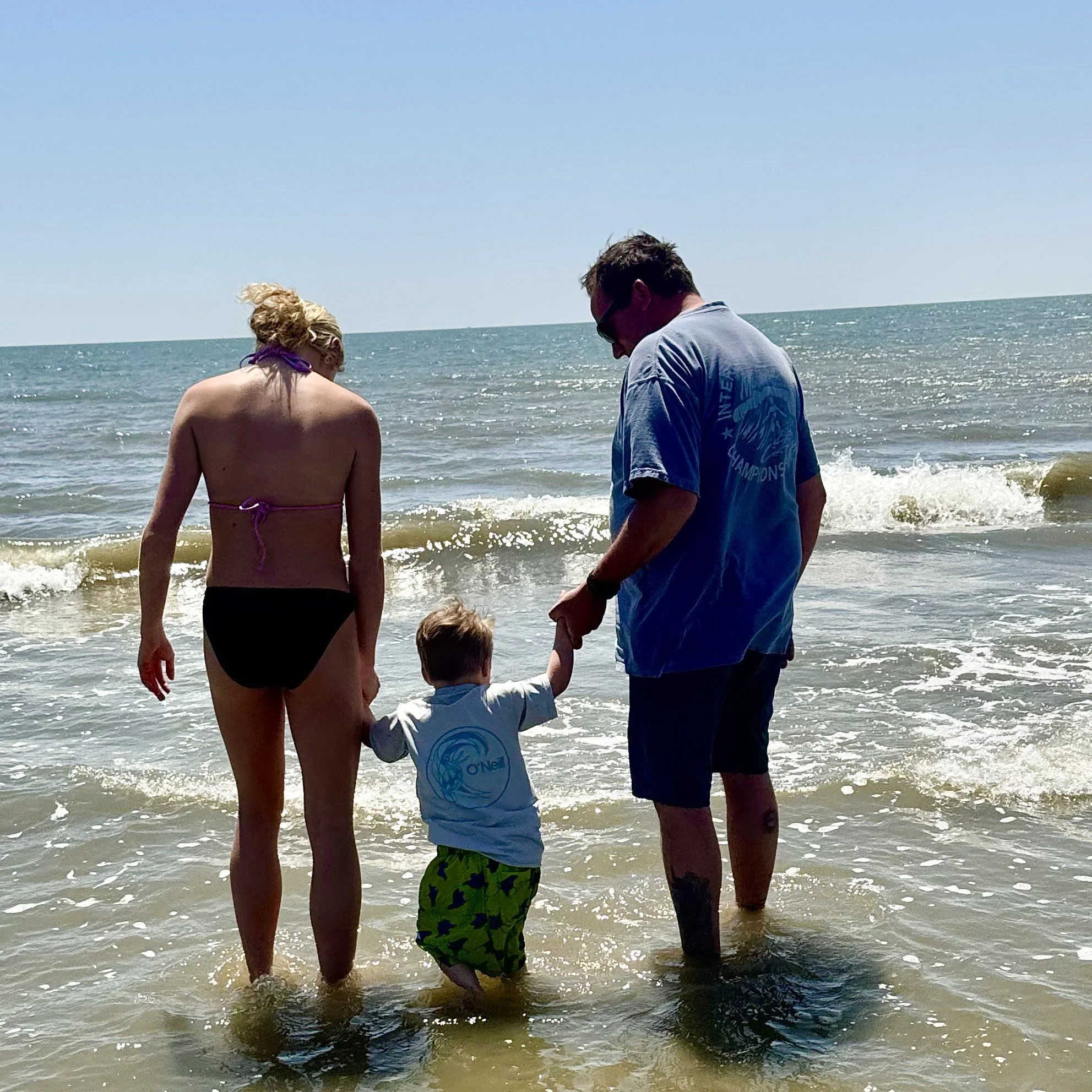
Bodie also loves the beach, especially when the waves splash over him. Being part of a family that surfs, Ali dreams of one day seeing Bodie on a board, too, or at least finding his thing, whatever that may be.
Since coming to CSH, Bodie has truly come out of his shell. Being around other kids during therapy gives him motivation, encourages him, and pushes him forward.
Ali hopes that one day Bodie will walk on his own, communicate in whatever way he’s able, and be in a classroom with kids his age. But their greatest hope for their son is not tied to a checklist. They don’t want to project limits or expectations onto him. Perhaps her greatest wish is to just eventually hear his voice.
More than anything, Bodie’s parents want him to be happy and to keep his funny, joyful personality. They hope that overall he knows without question that he is supported, advocated for, and deeply loved.
“He’s opened up our world,” Ali says. “He’s taught us so many lessons.”
Thanks to donors and supporters of Children’s Specialized Hospital Foundation, Bodie’s journey continues, measured not just in milestones, but in courage, possibility, and hope.
Click here to learn more about Children’s Specialized Hospital.
If you’d like to make an impact for kids and families in your community, you can make a donation today.